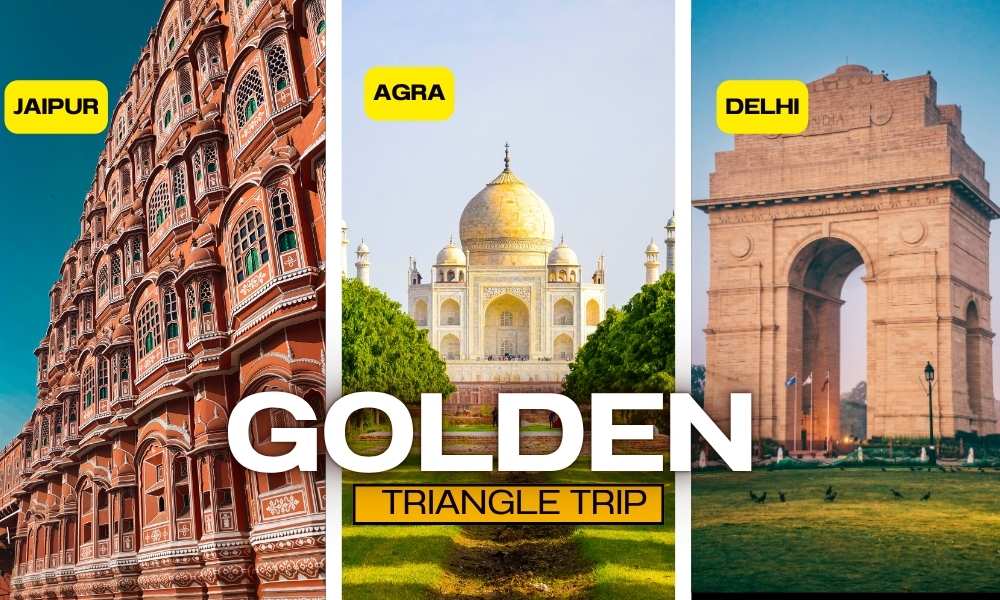
The capital of Rajasthan, Jaipur, famously known as the Pink City, is one of India’s most vibrant and historically rich destinations. Founded in 1727 by Maharaja Sawai Jai Singh II, this planned city showcases remarkable architecture inspired by the principles of Vastu Shastra. With its colorful bazaars, majestic forts, royal palaces, and cultural heritage, Jaipur forms a key part of the Golden Triangle tourist circuit along with Delhi and Agra.
No tour packages found.
No tour packages found.

Adventure Name
Starts From ₹ Adventure Sale Price
The capital of Rajasthan, Jaipur, famously known as the Pink City, is one of India’s most vibrant and historically rich destinations. Founded in 1727 by Maharaja Sawai Jai Singh II, this planned city showcases remarkable architecture inspired by the principles of Vastu Shastra. With its colorful bazaars, majestic forts, royal palaces, and cultural heritage, Jaipur forms a key part of the Golden Triangle tourist circuit along with Delhi and Agra.
Fairs and Festivals
Jaipur celebrates its royal legacy with colorful festivals and fairs throughout the year:
Makar Sankranti & Kite Festival (January 14): The sky fills with colorful kites while the atmosphere buzzes with excitement.
Elephant Festival (March): Features decorated elephants, polo matches, and parades near Holi celebrations.
Jaipur Literature Festival (January): A world-renowned literary event attracting authors and readers globally.
Teej Festival (July–August): Celebrates the arrival of monsoon with folk music, traditional dances, and processions.
Museums and Cultural Attractions
Doll Museum: A charming collection representing colorful dolls from various countries.
Anokhi Museum: Dedicated to the art of block printing, showcasing traditional textile craftsmanship.
Albert Hall Museum: Rajasthan’s oldest museum displaying artifacts, pottery, carpets, and miniature paintings.
Shopping in Jaipur
Known globally for its handicrafts, textiles, and gemstones, Jaipur’s bazaars offer irresistible shopping experiences.
MI Road & Raj Mandir vicinity: Blend of modern showrooms and dining options.
Tripolia Bazaar: Ideal for brassware and home décor items.
Bapu Bazaar & Nehru Bazaar: Famous for textiles, lac bangles, and leather footwear (mojari).
Johari Bazaar: Renowned for fine jewelry and gemstones.
Top Tourist Attractions in Jaipur
Amber FortPerched on a hill overlooking Maota Lake, Amber Fort (Amer Fort) is a grand example of Rajput architecture. Built in red sandstone and marble, it houses stunning halls like Sheesh Mahal (Mirror Palace), Diwan-i-Aam, and Sukh Niwas. Visitors can enjoy an elephant ride to the fort entrance or a sound-and-light show in the evening.
City PalaceLocated in the heart of Jaipur, the City Palace is still home to the royal family. The complex features courtyards, gardens, and structures such as the Mubarak Mahal and Chandra Mahal, which display royal costumes, weapons, and artifacts showcasing the life of Jaipur’s rulers.
Hawa Mahal (Palace of Winds)An iconic landmark with its honeycomb-like façade, Hawa Mahal was built in 1799 by Maharaja Sawai Pratap Singh. The five-story palace allowed royal ladies to observe street processions unseen. The view of the bustling Johari Bazaar from its windows is a photographer’s delight.
Jantar MantarA UNESCO World Heritage Site, this astronomical observatory built by Maharaja Jai Singh II in 1734 features 19 architectural instruments. The largest sundial in the world, Samrat Yantra, can measure time accurately to within two seconds.
Nahargarh FortOnce a defensive bastion of the Amer rulers, Nahargarh offers panoramic views of Jaipur city. The fort also features Madhavendra Bhawan, a palace with interconnected suites built for the queens.
Jaigarh FortThis hilltop fort was built for military defense and houses the world’s largest cannon on wheels, Jaivana. Visitors can explore armory chambers, underground passages, and watchtowers with views stretching over Amber Fort.
Jal MahalFloating gracefully in the middle of Man Sagar Lake, Jal Mahal is an architectural marvel combining Rajput and Mughal styles. Though entry inside is restricted, the view from the lakeshore during sunset is breathtaking.
Getting There
By Air:Jaipur International Airport (JAI) connects the city to major Indian metros and select global destinations.
By Rail:Jaipur Junction is linked to Delhi, Mumbai, Kolkata, and Ahmedabad via premium trains like Shatabdi, Rajdhani, and Palace on Wheels.
By Road:Jaipur lies on National Highway 48 and is easily accessible from Delhi (268 km) within 5–6 hours by car or Volvo buses.
Festivals, Traditions & Craftsmanship
The Pink City’s culture thrives in its art, music, and traditions. Marble carving, blue pottery, meenakari jewelry, and tie-dye (bandhani) textiles are signature crafts that reflect Jaipur’s timeless artistry.
Cuisine
Jaipur is a paradise for food lovers. Signature Rajasthani delicacies include:
Ghewar, Mawa Kachori, and Churma Ladoo – Sweet delights of the region.Traditional vegetarian thalis, local snacks like pyaaz kachori, and kulhad lassi complete the experience. Fine dining restaurants and rooftop cafes overlook the city’s heritage charm.
Laal Maas – Fiery red mutton curry for spice enthusiasts.
Dal Baati Churma – Roasted wheat balls served with spiced lentils and ghee.
Do u need advice for package
Ask Our Expert
8091801246
hello@holidayunicornindia.com
Featured Tours


Profile
-

- Ankur Sodhi
- Ankur Sodhi, travel enthucist, have 13 years experience in tour and travel business. I have travelled India extensively. I am in the right position to give you a very good tour package of India